Creating a relaxing home workspace is essential for maintaining focus, reducing stress, and boosting productivity. Whether you work remotely full-time or occasionally, your environment can have a significant impact on how efficiently and comfortably you accomplish your tasks. This guide will share practical tips on designing a workspace that feels calm and inviting, setting you up for success.
Why a Relaxing Workspace Matters
When your workspace is cluttered, uncomfortable, or stressful, it can be hard to concentrate. On the other hand, a well-organized and soothing environment helps promote clear thinking and creativity. By prioritizing comfort and relaxation in your home office, you’re not just improving your mood—you’re also enhancing your ability to work productively.
Choose the Right Location
Find a Quiet Spot
Start by selecting a quiet area in your home where you can focus without frequent interruptions. This could be a spare room, a corner of the living room, or even a part of your bedroom. The key is to minimize distractions like loud noises or heavy foot traffic.
Maximize Natural Light
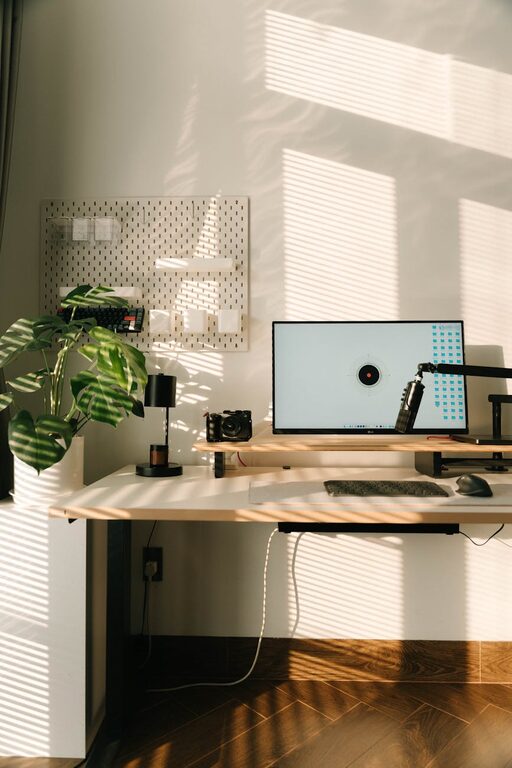
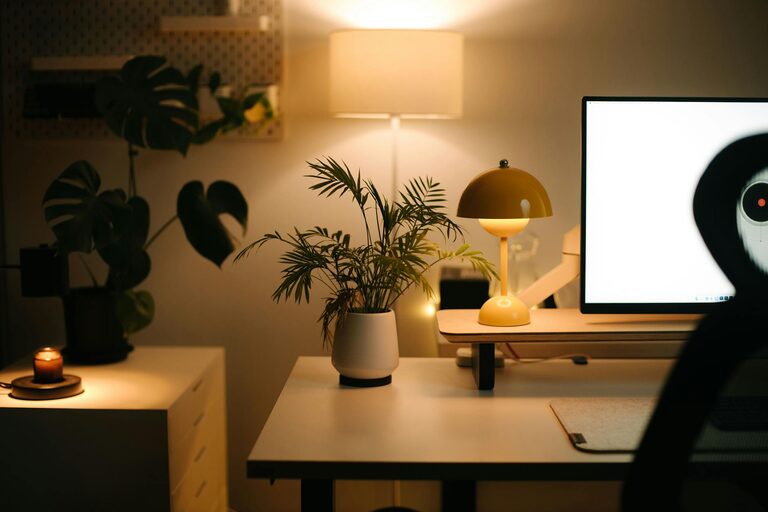
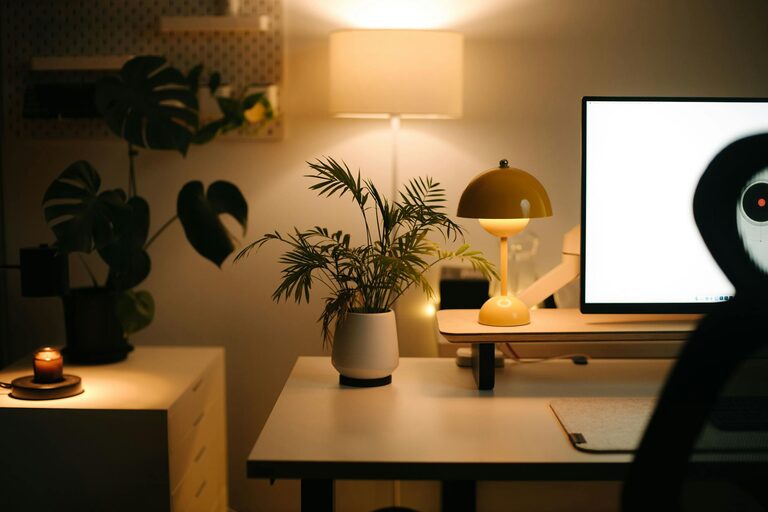
Natural light improves mood and energy levels. Position your desk near a window if possible, but be mindful of glare on your computer screen. If natural light is limited, use soft, warm artificial lighting to create a comfortable atmosphere.
Invest in Ergonomic Furniture
Ergonomic Chair
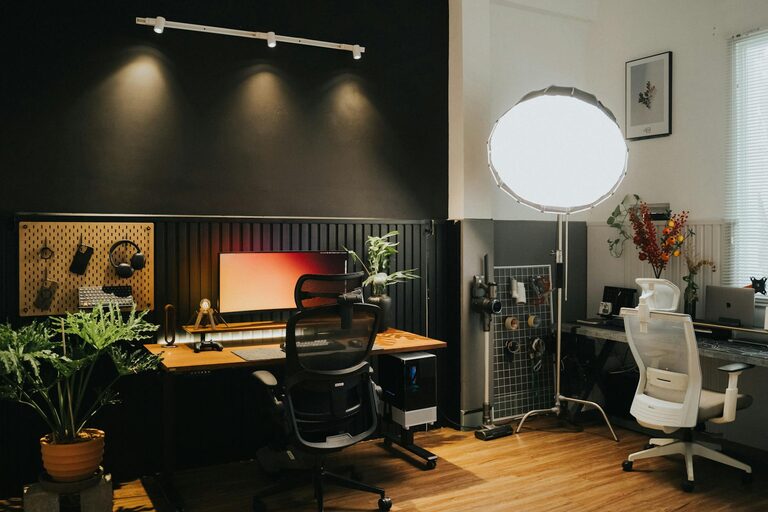
An ergonomic chair supports your posture and reduces the risk of discomfort or injury. Choose one with adjustable height, lumbar support, and comfortable cushioning. This allows you to sit comfortably for extended periods.
Adjustable Desk
Consider a height-adjustable desk or a sit-stand converter. Alternating between sitting and standing during work hours helps reduce fatigue, improves circulation, and keeps your energy up.
Organize with Purpose
Declutter Your Desk
Keep only essential items on your desk to avoid feeling overwhelmed. Use drawers, shelves, or organizers to store supplies neatly. A tidy workspace can help clear your mind and boost focus.
Use Functional Storage
Labelled baskets, filing cabinets, or vertical storage solutions keep papers and tools within reach without cluttering your desk. This approach saves time and reduces stress when you need to find something fast.
Personalize Your Space
Add Calming Decor
Incorporate elements that bring you peace, such as plants, artwork, or soft textiles like rugs and cushions. Plants not only improve air quality but also add a touch of nature that can enhance relaxation.
Choose Soothing Colors
Colors affect mood: blues, greens, and neutrals are widely known for their calming effects. Use these tones for your walls, furniture, or accessories to create a serene environment.
Manage Technology Wisely
Reduce Screen Glare
Position monitors to avoid glare, and consider using screen protectors or blue light filters. This helps reduce eye strain, especially after long hours in front of a screen.
Limit Notifications
Turn off non-essential notifications on your computer or phone to reduce distractions. Consider using apps that block interruptions during focused work periods.
Incorporate Relaxation Breaks
Practice Mindful Pauses
Schedule regular short breaks to stretch, breathe deeply, or meditate. Even five minutes can help reset your focus and lower stress levels.
Create a Relaxation Corner
If space allows, set up a small area with a comfortable chair or floor cushion specifically for breaks. Use this spot to recharge with reading, listening to music, or simple breathing exercises.
Maintain Good Air Quality and Temperature
Air Circulation
Fresh air can boost alertness and reduce fatigue. Open windows regularly or use an air purifier to keep your workspace feeling fresh.
Keep Comfortable Temperature
Ensure your room temperature is comfortable—not too hot or cold—to avoid distractions. A small fan or heater can help you adjust your environment as needed.
Establish a Consistent Routine
Set Clear Work Hours
Define when your workday starts and ends to create structure. This helps separate work time from personal time and reduces burnout.
Prepare Your Workspace Daily
Take a few minutes before starting work to tidy your desk and set up what you need. Entering a clean, organized workspace signals your brain that it’s time to focus.
—
By applying these tips, you can transform your home workspace into a relaxing haven that supports both comfort and productivity. Remember, the goal is to create an environment that feels welcoming and functional, so don’t hesitate to adjust your setup as your needs evolve. With the right space, you’ll find it easier to stay motivated and enjoy your workday.