
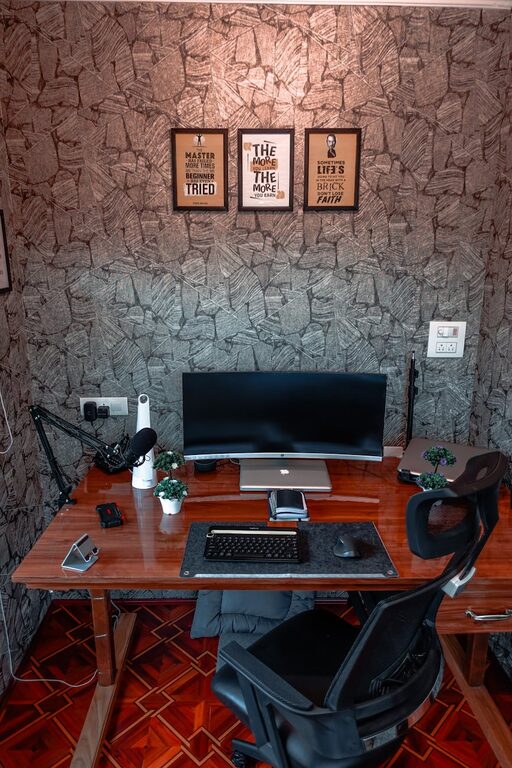
Creating a cozy and functional home office space is key to maintaining focus and comfort throughout your workday. Whether you’re working remotely full-time or occasionally, having a dedicated workspace can boost productivity, reduce stress, and help balance your professional and personal life. This guide offers practical tips to design a home office that feels inviting while meeting your functional needs.
1. Choose the Right Location
Picking the right spot for your home office is the foundation for creating an effective workspace.
– Natural Light: Choose a space with ample natural light to reduce eye strain and create a cheerful atmosphere.
– Quiet Area: Select a quiet spot away from high-traffic zones to minimize distractions.
– Space Availability: Make sure there’s enough room for your furniture and equipment without feeling cramped.
– Ventilation: Proper airflow is essential for comfort and focus.
If a dedicated room isn’t available, even a small corner can be transformed with thoughtful planning.
2. Invest in Comfortable, Supportive Furniture
The furniture you select directly impacts your comfort and efficiency.
– Ergonomic Chair: Choose an adjustable chair with lumbar support to protect your back during long hours.
– Appropriate Desk: Opt for a desk at the right height to keep your arms and wrists comfortable.
– Consider Standing Desks: Adjustable sit-stand desks provide flexibility to change positions and improve circulation.
– Storage Solutions: Desks or shelves with built-in storage help keep your space tidy.
Comfortable furniture helps prevent fatigue and physical strain, promoting longer, more effective work sessions.
3. Personalize Your Office for Cozy Vibes
Adding personal touches can make your workspace inviting and motivating.
– Soft Textiles: Incorporate cushions, throws, or rugs to add warmth and texture.
– Warm Lighting: Use desk lamps or floor lamps with soft light instead of harsh overhead bulbs.
– Plants: Indoor plants improve air quality and add a touch of nature.
– Artwork and Photos: Surround yourself with inspiring images or personal photos that uplift your mood.
– Scent: A subtle room fragrance or essential oil diffuser can enhance relaxation.
Creating a space you enjoy can make it easier to stay motivated and positive.
4. Organize for Efficiency and Clarity
An organized office reduces stress and helps you find what you need quickly.
– Declutter Regularly: Remove unnecessary items to keep surfaces clear.
– Use Storage Containers: Bins, baskets, and drawer organizers keep supplies accessible and neat.
– Cable Management: Use clips or sleeves to prevent tangled cords.
– Pinboards or Whiteboards: Keep important notes and deadlines in sight.
– Digital Organization: Back up documents and minimize on-screen clutter with folders and apps.
A well-organized environment frees your mind to focus on work.
5. Optimize Technology Setup
Your home office should support your workflow seamlessly.
– Reliable Internet: Ensure you have a strong connection to avoid interruptions.
– Monitor Position: Place your monitor at eye level to prevent neck strain.
– Keyboard and Mouse: Choose ergonomic devices for comfort.
– Headphones or Speakers: Use quality audio gear for virtual meetings.
– Backup Power: Consider a surge protector or battery backup in case of outages.
Having the right technology helps maintain productivity and reduces frustration.
6. Create Boundaries Between Work and Home Life
Separating your work area visually and mentally can improve focus and work-life balance.
– Dedicated Workspace: Avoid working from your bed or couch to keep “work mode” distinct.
– Defined Hours: Set specific work hours and communicate them with household members.
– Visual Signs: Use rugs or furniture placement to define the office space.
– Break Areas: Have a separate spot for breaks to mentally step away.
Establishing boundaries supports healthy routines for both work and relaxation.
7. Maintain Good Air Quality and Comfort
Air and temperature affect your wellbeing and concentration.
– Good Ventilation: Open windows if possible, or use air purifiers.
– Temperature Control: Use fans or heaters to keep the space comfortable year-round.
– Natural Elements: Plants and natural wood materials can contribute to a calming atmosphere.
A comfortable environment encourages longer and more focused work sessions.
8. Keep It Flexible and Adaptable
Your needs may change, so your office should be able to evolve with you.
– Modular Furniture: Consider pieces that can be rearranged or adapted.
– Multi-purpose Surfaces: Use desks that can double for crafts or other hobbies.
– Mobile Storage: Rolling carts or shelves can be shifted as needed.
– Adjustable Lighting: Use lamps with dimmers or different color temperatures.
Flexibility allows your workspace to stay functional and comfortable over time.
—
Final Thoughts
Designing a cozy and functional home office is a blend of comfort, practicality, and personal style. By choosing the right location, investing in ergonomic furniture, personalizing your space, and organizing thoughtfully, you create an environment where you can work efficiently and feel at ease. Remember to maintain good air quality, set clear boundaries, and keep your setup adaptable to stay productive and motivated. Your home office should be a place you look forward to spending time in—helping you do your best work every day.