
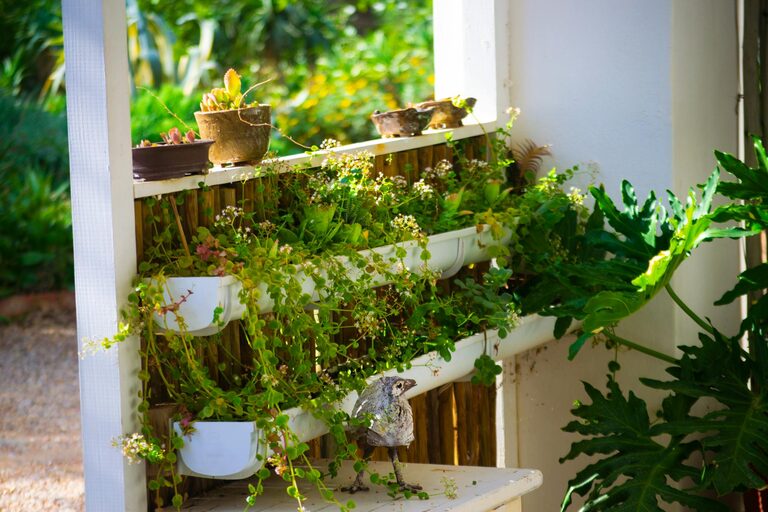
Creating a sustainable garden at home is a rewarding way to connect with nature while helping the environment. By making mindful choices about plants, water, and materials, you can enjoy a beautiful outdoor space that conserves resources and supports local wildlife. Whether you have a small balcony or a spacious backyard, these tips will guide you in designing a garden that benefits both you and the planet.
Why Choose a Sustainable Garden?
Sustainable gardening focuses on practices that minimize environmental impact. It emphasizes conserving water, improving soil health, attracting beneficial wildlife, and reducing waste. A sustainable garden can lower your energy bills, create a healthier outdoor environment, and provide fresh produce or flowers naturally.
Planning Your Sustainable Garden
Assess Your Space and Conditions
Before planting, consider factors like sunlight, soil type, and local climate. Understanding your garden’s unique conditions will help you select plants that thrive without excessive water or fertilizers.
– Sunlight: Note which areas receive full sun, partial shade, or full shade.
– Soil: Test soil pH and texture or observe how water drains to decide if amendments are needed.
– Climate: Choose plants suited for your USDA hardiness zone to reduce maintenance.
Set Goals
Decide what you want from your garden. Do you want to grow herbs and vegetables? Create a habitat for pollinators? Or mainly enjoy a low-maintenance green space? Clear goals will guide your plant and design choices.
Plant Selection and Maintenance
Opt for Native and Drought-Tolerant Plants
Native plants are naturally adapted to your area’s climate and soil. They need less water, fertilizer, and pesticides. Drought-tolerant varieties reduce irrigation needs, which saves water.
Examples include:
– Native wildflowers that attract bees and butterflies.
– Succulents and sedums for dry spots.
– Herbs such as rosemary and thyme.
Practice Companion Planting
Certain plants benefit each other when grown together, helping control pests and improve growth. For example, marigolds deter harmful insects from vegetable beds.
Use Organic Practices
Avoid synthetic chemicals. Instead, encourage beneficial insects like ladybugs and use natural compost to enrich your soil.
Water Conservation Techniques
Install Rain Barrels
Collect rainwater from gutters to water your plants. Rainwater is free and often better for plants than tap water.
Mulch Your Garden Beds
A layer of mulch helps retain moisture, suppress weeds, and improve soil health. Organic mulches like shredded bark or leaves break down and add nutrients.
Water Wisely
Water early in the morning or late in the evening to reduce evaporation. Use drip irrigation or soaker hoses to target roots directly and avoid waste.
Soil Health and Composting
Build Healthy Soil
Good soil supports strong plants. Avoid digging unnecessarily, as it can disrupt microorganisms. Instead, add organic matter regularly.
Start Composting
Compost kitchen scraps and garden waste to create nutrient-rich soil amendments. Composting reduces landfill waste and provides free fertilizer.
Supporting Wildlife
Create a Pollinator-Friendly Habitat
Plant flowering species that bloom throughout the growing season to offer continuous nectar. Provide shallow water sources and avoid pesticides harmful to bees and butterflies.
Install Birdhouses and Feeders
Encourage birds, which help control insects and add life to your garden.
Eco-Friendly Materials and Tools
Choose Sustainable Garden Supplies
Look for tools made of recycled or durable materials. Avoid plastic pots when possible and select biodegradable or reusable garden products.
Repurpose and Reuse
Use old containers as planters, recycle pallets for garden furniture, or build compost bins from scrap wood.
Maintaining Your Sustainable Garden
Monitor and Adjust
Regularly check plant health and soil moisture. Replace plants that struggle with better-suited options.
Seasonal Cleanup
Use fallen leaves and pruned branches as mulch or compost material. Avoid burning yard waste, which releases pollutants.
Final Thoughts
Creating a sustainable garden at home benefits your local environment and provides a calming, enjoyable space. By planning carefully, selecting the right plants, conserving water, and nurturing soil health, you can develop a thriving, eco-friendly garden. Start small, observe your garden’s needs, and enjoy the positive impact your green efforts will have for years to come.