Creating a cozy and inviting home office space is more important than ever. Whether you’re new to working from home or have been doing it for a while, having a dedicated area that feels comfortable can improve your focus and make your workday more enjoyable. In this post, we’ll share practical tips to help you design a home office that’s both functional and welcoming.
Choose the Right Location
Find a Quiet Spot
Start by selecting a location in your home that offers privacy and minimal distractions. This might be a spare bedroom, a corner of the living room, or even a nook in the hallway. The key is to pick a space where you can concentrate without interruptions from family members or noise from outside.
Make Use of Natural Light
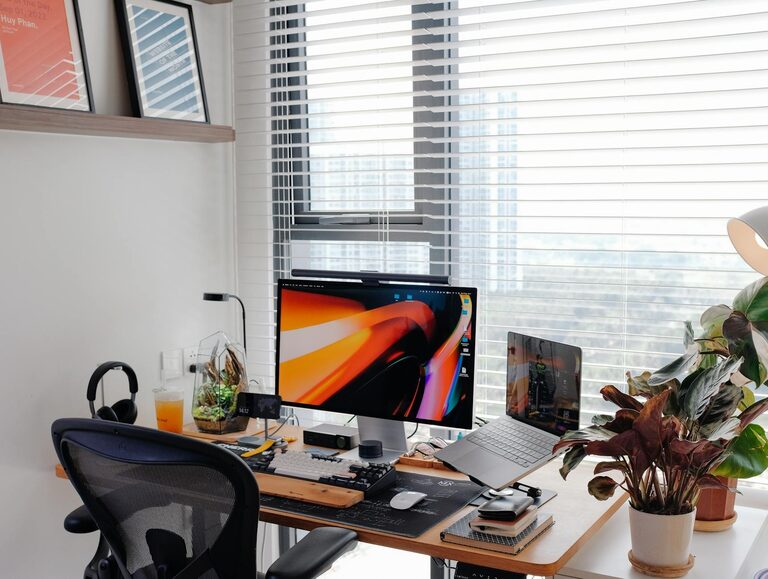
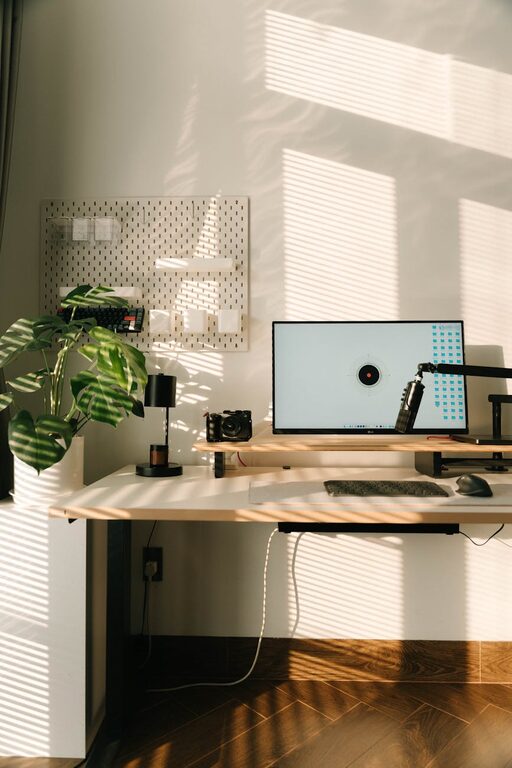
Natural lighting can significantly boost your mood and energy levels. Position your desk near a window if possible to take advantage of daylight. If the location doesn’t have much natural light, invest in good quality lamps that mimic daylight to reduce eye strain.
Invest in Comfortable Furniture
Support Your Body
Comfort is critical in a home office because you’ll likely spend many hours sitting. Choose an ergonomic chair that supports your back and promotes good posture. Consider a desk at the right height to avoid slouching or straining your neck.
Multi-Purpose Surfaces
A spacious desk will allow you to organize your work tools efficiently. If possible, select a desk with drawers or shelves to store supplies and keep the surface clutter-free.
Personalize Your Space
Add Personal Touches
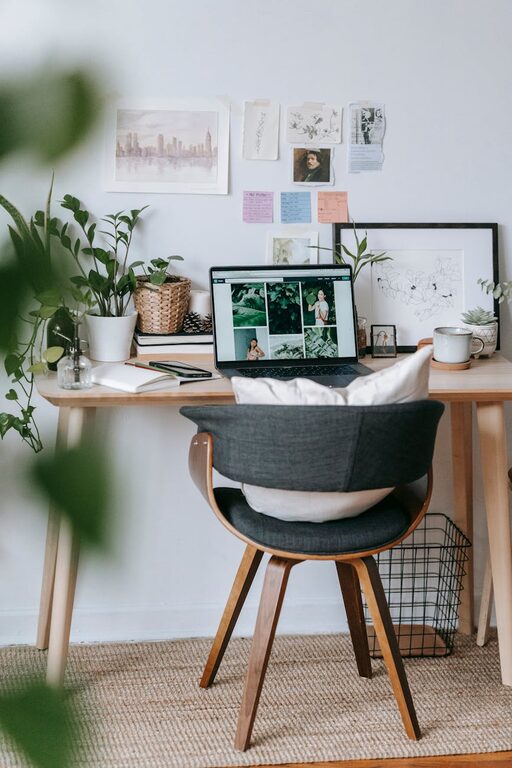
Incorporate items that make you happy and motivated. This could be photographs, inspirational quotes, artwork, or your favorite plants. A few well-chosen accessories can transform an ordinary workspace into an inviting environment.
Choose Soothing Colors
Colors influence mood. Soft, warm tones like beige, soft green, or light blue create a calming atmosphere. If you prefer brighter colors, balance them with neutral shades to avoid overstimulation.
Organize for Productivity
Declutter Regularly
A tidy space helps maintain focus. Use storage baskets, trays, and desk organizers to keep everything in its place. Aim to clear your desk at the end of each day so you start fresh the next morning.
Utilize Vertical Space
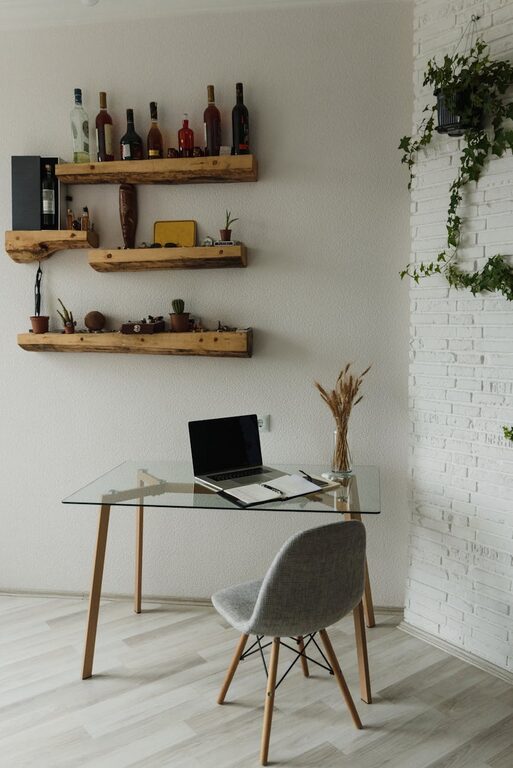
Bookshelves and wall-mounted organizers can maximize your storage without taking up floor space. Display frequently used items within easy reach and store less frequently used supplies out of sight.
Create a Relaxing Atmosphere
Soft Textiles
Add cozy elements such as a plush rug, cushions, or a throw blanket. These textures make the environment feel warmer and more comfortable, especially during colder months.
Incorporate Greenery
Plants not only enhance the aesthetics but also improve air quality and reduce stress. Choose low-maintenance plants like succulents, snake plants, or pothos if you don’t have a green thumb.
Manage Technology Efficiently
Hide Wires and Devices
Keep cords and cables organized using clips and cable sleeves. Hiding electronic clutter makes your workspace look cleaner and more inviting.
Quality Equipment
Invest in reliable technology that supports your work, such as a good monitor, keyboard, and noise-canceling headphones. The right tools reduce frustration and improve efficiency.
Make It Multi-Functional
Flexibility Matters
Design your office for more than just work. If space permits, add a comfortable chair or small sofa where you can read, relax, or take breaks. This helps create a healthy balance between work and rest.
Consider Lighting Options
Use adjustable lighting to suit different tasks. Bright lighting works best for focused work, while softer, dimmed lighting is ideal for relaxing or brainstorming sessions.
Establish Boundaries
Define Your Workspace
Having clear physical boundaries helps separate work life from home life. Use screens, rugs, or furniture arrangement to mark your office area. This mental separation can improve focus and reduce stress.
Set a Routine
Create a daily schedule to start and finish work at consistent times. When the workday is over, step away from your desk and avoid using the space for personal activities.
—
Designing a cozy and inviting home office doesn’t require a complete home makeover. Small changes and thoughtful choices can turn even a modest space into a welcoming place to work every day. Start with these tips, and tailor your office to suit your preferences and needs. A comfortable home workspace can make a big difference in your productivity and overall well-being.