Creating a cozy and productive home workspace can make a significant difference in how you feel and perform during your workday. Whether you’re working remotely full-time or occasionally need a quiet place to focus, a well-designed workspace keeps you motivated, helps reduce stress, and boosts your efficiency. Here are practical tips to transform your home office into a perfect balance of comfort and productivity.
Find the Right Location
Choosing the right spot for your workspace is the foundation for crafting an effective work environment.
– Quiet and low traffic: Pick a place where distractions are minimal. This might be a spare room, a corner of your living room, or even a section of your bedroom.
– Natural light: Position your desk near a window if possible. Natural light raises your mood and reduces eye strain. If natural light isn’t an option, invest in quality lighting.
– Separate from relaxation zones: Try to avoid working from your bed or couch to keep work time and downtime distinct, which helps maintain focus.
Invest in Comfortable Furniture
Comfort is key to staying productive, especially if you spend many hours at your desk.
– Ergonomic chair: Choose a chair that supports your back, promotes good posture, and is adjustable.
– Desk height: Make sure your desk allows your forearms to rest comfortably while typing, with elbows at roughly a 90-degree angle.
– Consider a standing desk: If possible, a sit-stand desk can improve circulation and reduce fatigue.
– Organized layout: Arrange your chair, desk, and computer so that you can maintain a relaxed posture and easily reach your most-used tools.
Organize Your Space
A tidy workspace improves focus and reduces stress, so keeping things organized is essential.
– Declutter regularly: Only keep items you use daily on your desk. Store other supplies in drawers or shelves.
– Use organizers: Desk trays, drawer dividers, and cable management tools help keep everything in place.
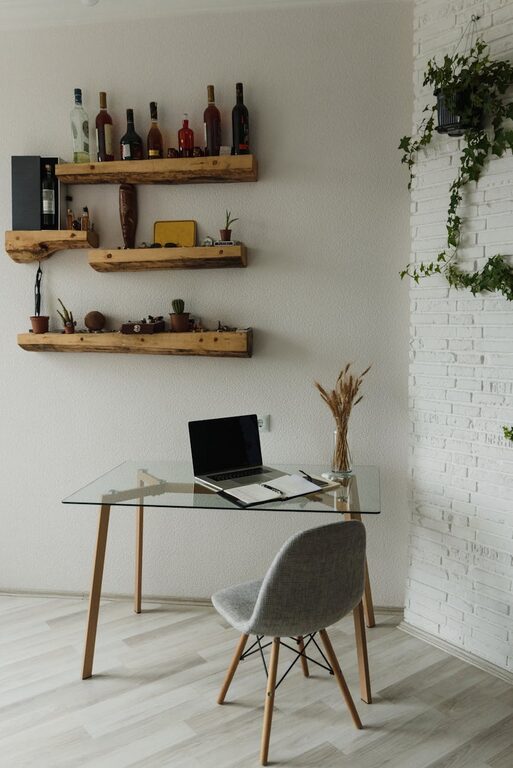
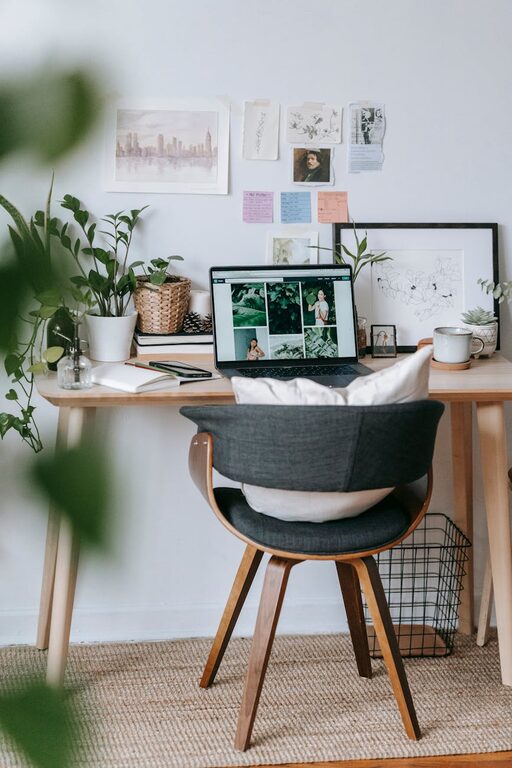
– Personalize thoughtfully: A few personal touches like a photo, plant, or a favorite mug can make your space feel welcoming without overwhelming it.
Enhance Lighting
Good lighting supports alertness and reduces headaches or eye strain.
– Layer lighting: Use a mix of natural light, overhead fixtures, and task lamps.
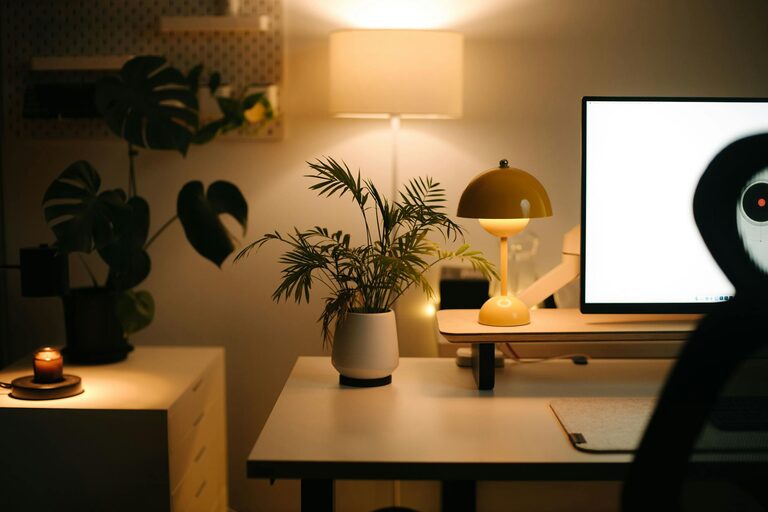
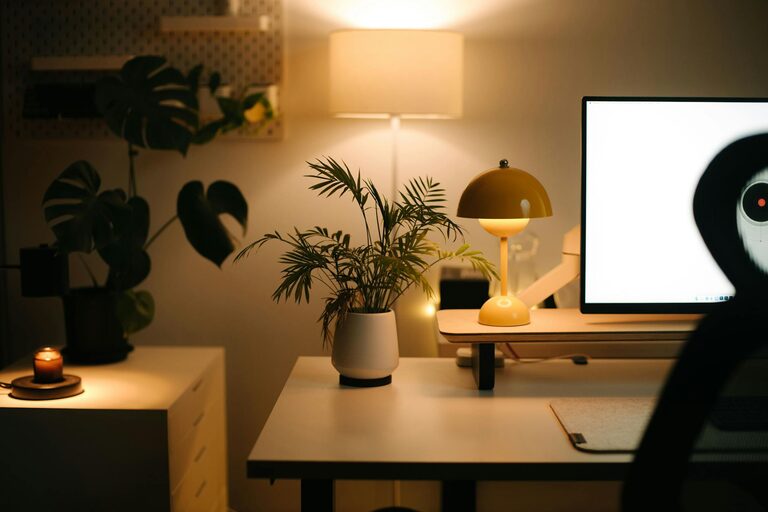
– Adjustable lighting: A lamp with adjustable brightness allows you to customize light depending on the time of day and task.
– Avoid glare: Position screens to reduce reflection and use blinds or curtains to control sun exposure.
Incorporate Calming Elements
Creating a cozy atmosphere helps reduce stress and boosts well-being.
– Add greenery: Indoor plants improve air quality and add a touch of nature.
– Soft textures: A comfy rug, cushions, or a throw blanket make the space inviting.
– Pleasant scents: A subtle scented candle or essential oil diffuser can create a soothing ambiance, but avoid overpowering smells.
Use Technology Wisely
Technology should facilitate your work, not complicate it.
– Reliable equipment: Invest in a good computer, monitor, keyboard, and mouse to prevent discomfort.
– Fast internet: Stable, high-speed internet is essential for video calls and file sharing.
– Noise management: Noise-canceling headphones or soft background music can help maintain concentration.
– Declutter digital space: Organize your files and desktop for quick access and reduced frustration.
Set Clear Boundaries and Routines
Creating habits and setting limits will help you stay productive at home.
– Dedicated work hours: Define your start and finish times and stick to them.
– Regular breaks: Use techniques like the Pomodoro method to take short, frequent breaks.
– Communicate boundaries: Let family or housemates know your schedule to minimize interruptions.
– End of day ritual: Close your workspace each day by tidying up and turning off technology.
Keep Inspiration Close
Staying motivated is easier when you’re surrounded by things that inspire you.
– Motivational quotes or artwork: Place something uplifting in your line of sight.
– Vision board: Use a corkboard or magnetic board to pin your goals, ideas, and reminders.
– Varied tasks: Mix focused work with creative activities to keep your energy flowing.
Maintain Good Air Quality and Temperature
Comfort isn’t just about furniture and lighting; fresh air and temperature affect your focus too.
– Ventilation: Open windows when possible or use an air purifier.
– Temperature control: Keep your workspace cool but not chilly; most people find 68–72°F (20–22°C) comfortable.
– Humidity: A small humidifier can help if the air feels too dry.
—
By following these tips, you can create a home workspace that feels both cozy and efficient, helping you stay focused and comfortable throughout your workday. Remember, your workspace should reflect your needs and preferences, so don’t hesitate to experiment and adjust until you find what works best for you.